
A Cleaner Way to Remove a Tree and Protect Your Yard
Tree removal can feel stressful when you picture tire marks, broken grass, and packed soil. The good news is that many jobs do not need huge machines. Skilled crews can climb, rig limbs, cut in sections, and move debris with care. That approach helps protect roots, flower beds, and soft ground. Homeowners often ask what methods keep a yard looking neat after the work ends. A trusted Springfield tree service can explain the plan, control traffic, and clean the site. Small details matter. The right crew thinks about your lawn before the first cut and after the last branch leaves.
Why Lawn Damage Happens During Tree Removal
What Heavy Gear Can Do to Grass and Soil
Heavy gear puts a lot of weight on a small area of ground. That pressure presses down on grass and soil. The grass blades can tear or lie flat. The roots can also suffer if the ground stays packed for too long. Soil needs small air spaces to hold water and oxygen. Large machines can squeeze those spaces shut. Water may then sit on top of the lawn or run off too fast. Deep tire marks can also form, especially after rain or watering. Those ruts look bad and can stay for a long time. A crew may also turn machines in tight spots. That twisting motion can scrape away turf and leave bare patches. Even a short visit from heavy gear can change how a lawn drains and grows.
Why Tree Size and Location Change the Risk
Tree size and tree location affect the whole removal plan. A tall tree with a wide trunk often means more wood, more limbs, and more weight to move. That can raise the chance of lawn damage if the crew needs more trips across the yard. A tree near the street may allow easier access, which can help limit ground traffic. A tree in a fenced back yard often creates more risk because crews may need to carry pieces farther or use narrow paths. Tight spaces near patios, flower beds, sheds, or pools also add pressure. The crew has less room to lower limbs and stack wood. Trees that lean over the house or grow close to power lines need slower, more controlled cuts. That care protects the property, but it can also change where workers walk and where debris lands.
Low Impact Methods That Reduce Yard Stress
Climbing and Rigging Instead of Large Machines
Climbing and rigging can lower the chance of lawn damage during tree removal. In this method, a worker climbs the tree and cuts it into small sections. Ropes guide each limb and log to the ground. That gives the crew more control over where each piece lands. It also cuts down on the need for large machines to cross the yard. This works well in back yards, narrow side yards, and areas near patios or garden beds. It also helps near fences, sheds, and play sets. The crew can lower wood into a clear zone instead of dropping it on open grass. That helps stop deep ruts, torn turf, and loose soil. It also keeps the job neat from start to finish.
Ground Mats, Hand Tools, and Smaller Loads
Ground mats help spread weight across a wider area. That reduces pressure on the grass and soil. Crews often place them along paths where workers walk or move debris. This simple step can limit ruts and muddy spots. Hand tools also help protect the yard. A crew may use hand carts, rope systems, and saws to move wood in a careful way. Smaller loads matter too. A large pile of logs can press hard on one part of the lawn. Smaller loads reduce that pressure and keep traffic lighter. This method takes more trips, but it often leaves less damage behind. It works well on soft ground, near flower beds, and in yards with limited access. Small choices like these can make a big difference.
Site Conditions That Shape the Removal Plan
Dry Soil, Wet Soil, and Slope Issues
Ground conditions play a big part in tree removal. Dry soil usually holds weight better than wet soil. Crews can often move across dry ground with less sinking and less turf damage. Wet soil creates a different problem. Tires, boots, and falling wood can press into the ground fast. That can leave deep marks and tear grass roots. Mud also makes cleanup harder. Sloped yards add more risk. Workers need a steady footing, and cut sections can roll if the crew does not control them well. A slope can also change how ropes work during rigging. In these spots, crews often slow the pace and plan each cut with care. They may set clear drop zones and use paths that avoid soft or steep parts of the yard.
Access Points, Fences, and Tight Work Areas
The path into the yard often shapes the whole job. A wide gate gives the crew more room to move tools and debris. A narrow gate can limit what they bring in, which may lead to more hand carrying and more foot traffic across the lawn. Fences also affect the plan. Crews need room to pass wood through without hitting panels, posts, or nearby plants. Tight work areas near garages, decks, sheds, or air units need careful movement from start to finish. In small spaces, crews often cut limbs into shorter pieces and lower them with ropes. That helps protect the yard and nearby structures. Good access can speed up the work. Poor access calls for more planning and more care on every step.
Cleanup Steps That Help Your Lawn Bounce Back
Debris Removal Without Tearing Up Turf
Debris removal can help or hurt the lawn after a tree comes down. A careful crew moves brush, limbs, and log pieces in a way that limits wear on the grass. They often carry smaller loads instead of dragging large piles across the yard. That cuts down on scraping and bare spots. They may use set paths so foot traffic stays in one area instead of spreading across the whole lawn. In soft spots, boards or mats can protect the turf while wood moves out. Raking also matters. Light raking picks up twigs, bark, and leaves without pulling up healthy grass. Good cleanup leaves the area neat and lowers the chance of more damage after the cutting stops.
Post Job Checks for Grass, Beds, and Soil
After the tree work ends, a final check helps spot any trouble early. The crew can look for crushed grass, loose soil, and small ruts left by traffic. They can also check flower beds for fallen bark, sawdust, and broken stems. If wood chips or debris cover the lawn, the grass may not get enough light or air. A quick cleanup helps stop that problem. Soil checks matter too. Packed ground can hold water on the surface and slow new growth. In some yards, light loosening of the top layer can help air and water move again. A careful walk through also helps spot damage near edging, walkways, and sprinkler heads. Small fixes done right away can help the lawn recover faster.
Questions to Ask Before Work Starts
What Equipment Will Be Used on Your Property
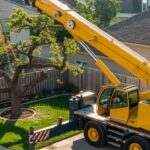
Before tree work starts, ask the crew to name the tools and machines they plan to bring into the yard. This question gives you a clear picture of what will touch the grass, driveway, and garden beds. Some jobs need only climbing gear, ropes, chainsaws, and hand carts. Other jobs may need a bucket truck, crane, mini loader, wood chipper, or stump grinder. Each tool affects the yard in a different way. A crane may stay on the street if space allows. A mini loader may need room inside the gate. Ask where each piece of equipment will enter and travel. Ask where they will stack wood and brush. These details help you see how the crew plans the work and how they aim to limit lawn damage.
How the Crew Plans to Protect Soft Ground
Soft ground needs extra care during tree removal. Ask the crew what steps they will take if the yard feels wet, spongy, or loose underfoot. Good crews often change their plan based on soil conditions. They may use ground mats to spread weight and reduce ruts. They may carry smaller loads, use rope systems, or keep heavy tools on the street. Ask if they will set one clear path for foot traffic and debris removal. That can limit wear across the lawn. Ask how they will protect sprinkler heads, flower beds, edging, and drain areas. It also helps to ask if they will delay part of the job after heavy rain. A simple plan for soft ground can protect grass and help the yard stay in better shape.
Call Lufkin Environmental for Lawn-Friendly Tree Removal
A careful plan keeps your lawn in better shape during tree removal. Crews can use ropes, climbing methods, hand-carried tools, and smart drop zones to limit damage. They can also protect soft ground with mats and keep heavy loads off wet areas. Good cleanup matters too. Raking small debris, hauling wood in smaller loads, and checking the turf before leaving all help the yard recover fast. Lufkin Environmental works with property owners who want safe removal and a cleaner finish. If you want help with a tree that sits close to grass, beds, or walkways, visit us at 2501 Chatham Rd, Suite 4605, Springfield, Illinois 62704, or call (217) 750-2195 for careful tree removal.